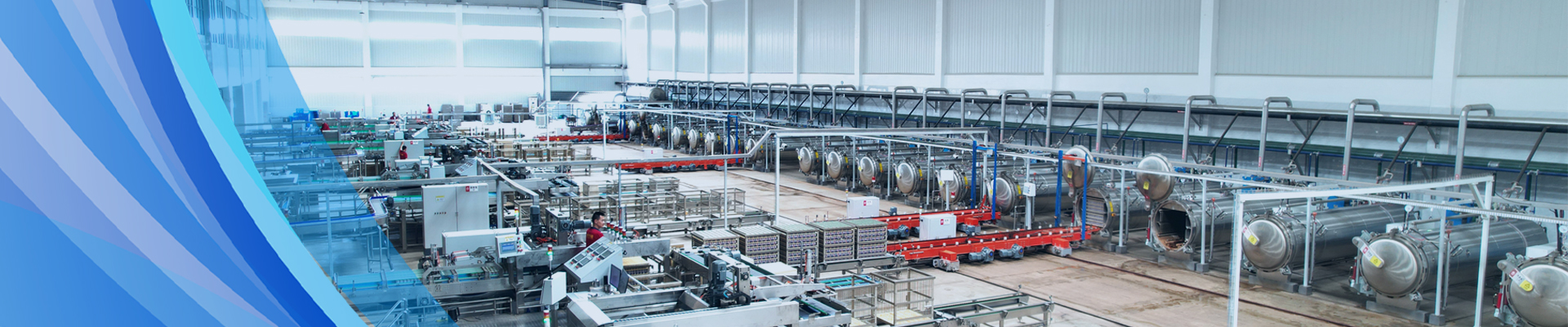

This guide is authored by a senior food processing engineer with over 12 years of experience from ZLPH MACHINERY TECHNOLOGY CO., LTD., a leading global provider of intelligent sterilization solutions. It addresses a critical challenge faced by food manufacturers and procurement professionals worldwide: inconsistent or inefficient sterilization during large-scale production. Inadequate thermal processing not only risks microbial survival but also compromises product shelf life, safety compliance, and brand reputation. Root causes typically include uneven heat distribution, manual loading inefficiencies, and lack of real-time process control. Drawing from more than 5,000 global installations and field validations across meat, seafood, canned vegetables, and ready-to-eat meal sectors, we present a proven, step-by-step framework to optimize water immersion retort operations. This guide details scenario-specific fixes, validated performance metrics, and practical best practices to ensure consistent lethality, regulatory compliance (FDA, EU 2023/915), and operational uptime—without compromising food texture or nutritional value.

How to Ensure Uniform Sterilization in High-Viscosity Food Products Like Sauces or Purees?
1. Scenario & Pain Point
In facilities producing thick sauces, baby food purees, or chunky stews, traditional steam or water spray retorts often fail to deliver uniform heat penetration. Cold spots form in the center of containers, leading to under-processing (F₀ < 2.5) while outer layers overcook, causing texture degradation and nutrient loss. This inconsistency triggers batch rejections, costly recalls, and failed third-party audits.

2. Root Cause Analysis
The core issues stem from three factors: poor convection in viscous media due to low thermal conductivity; inadequate agitation during processing; and insufficient dwell time at target temperature (typically 121°C). Unlike liquid products that naturally circulate, high-viscosity items require forced convection to eliminate thermal gradients.

3. Step-by-Step Solution
Immediate Adjustment: Rotate retort baskets periodically during the come-up time (CUT) phase to promote internal convection.
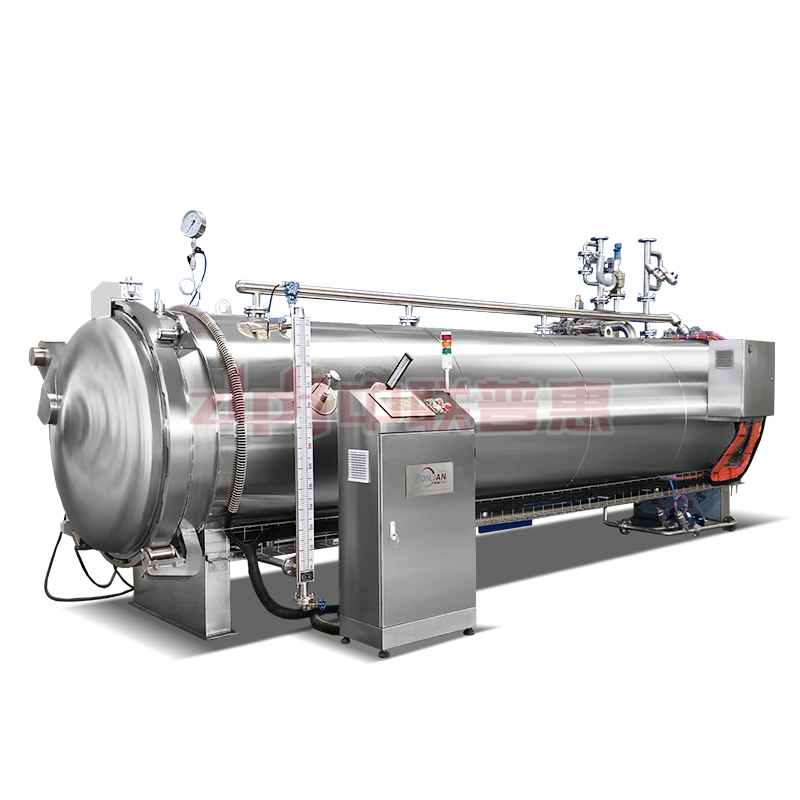
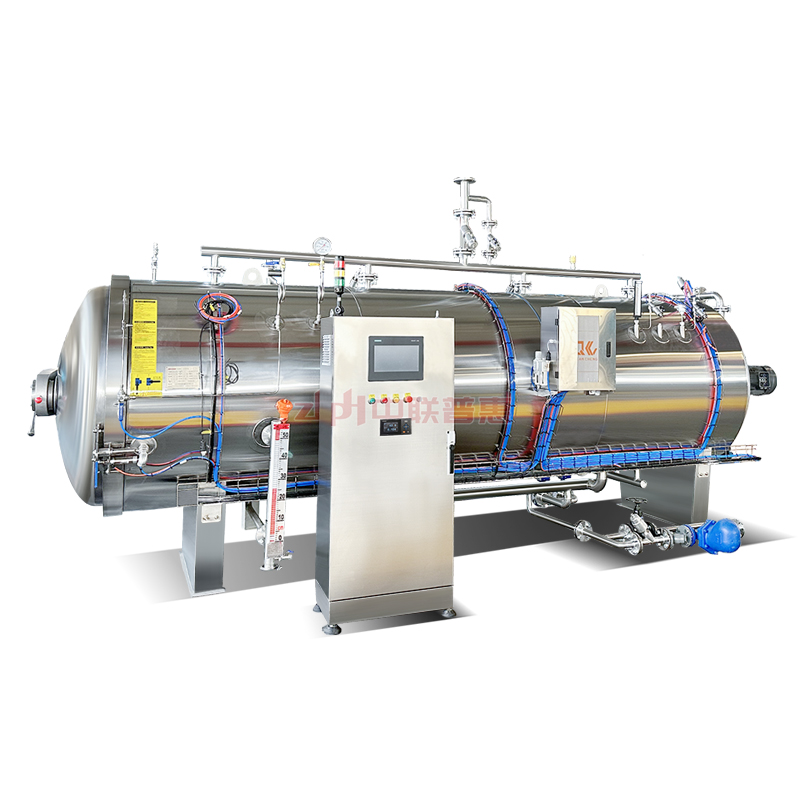
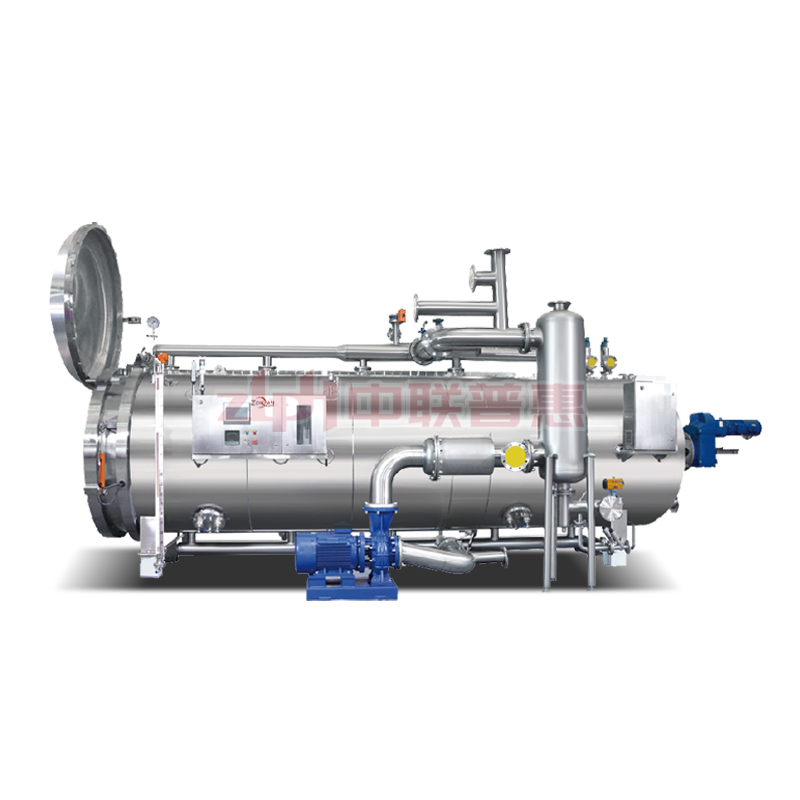
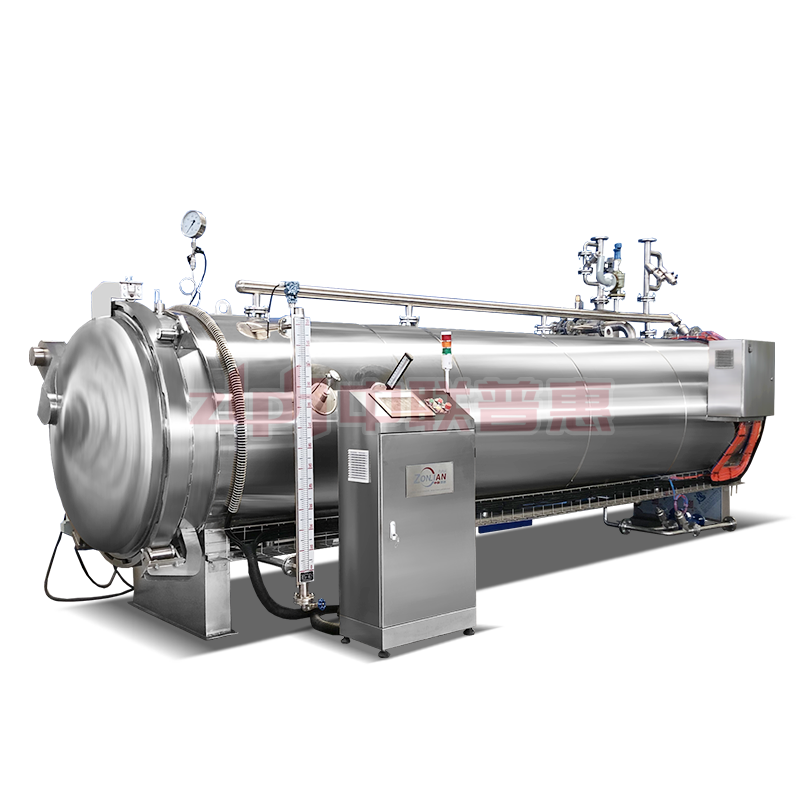
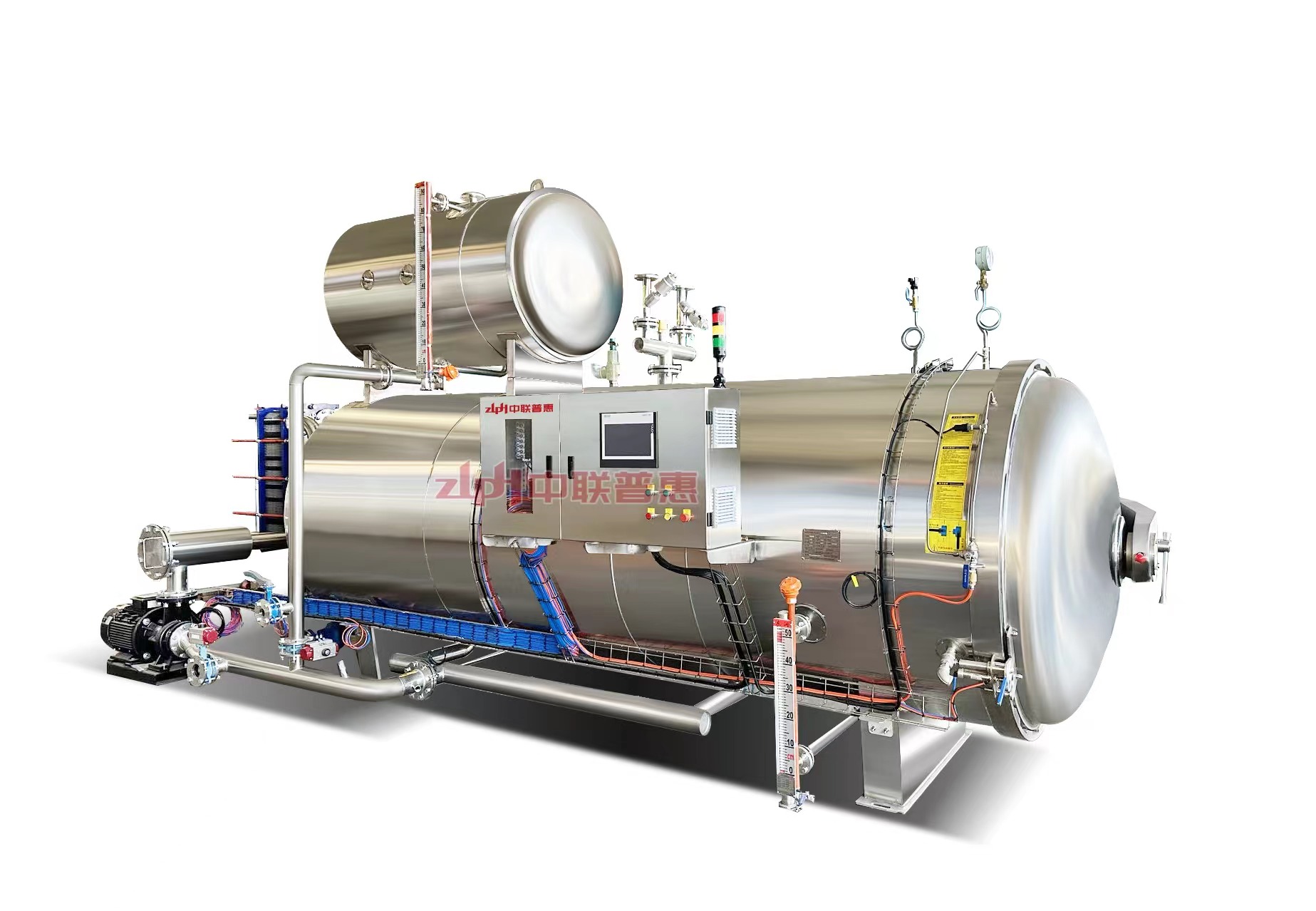
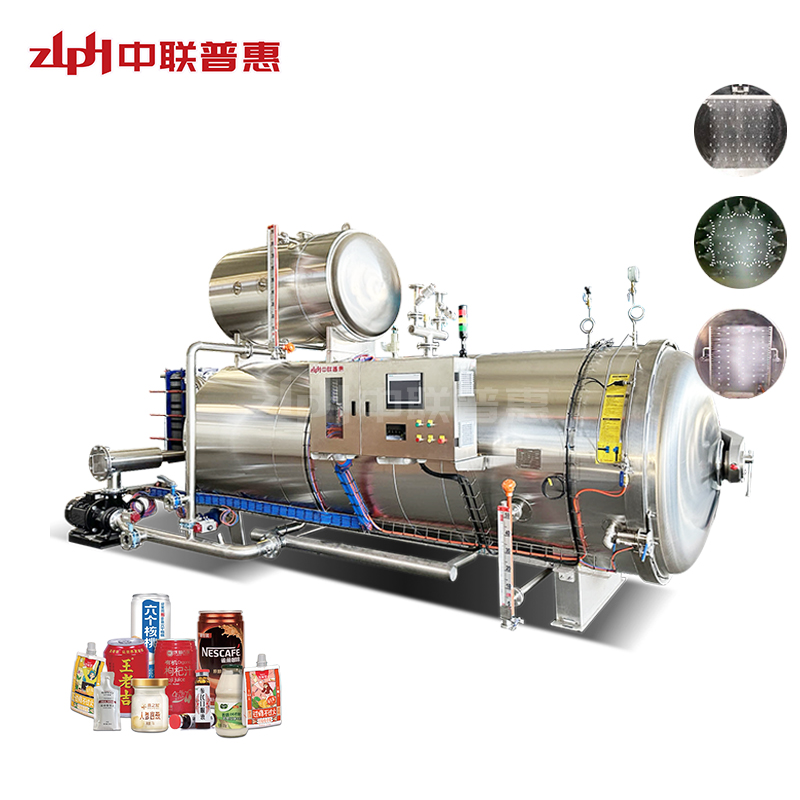
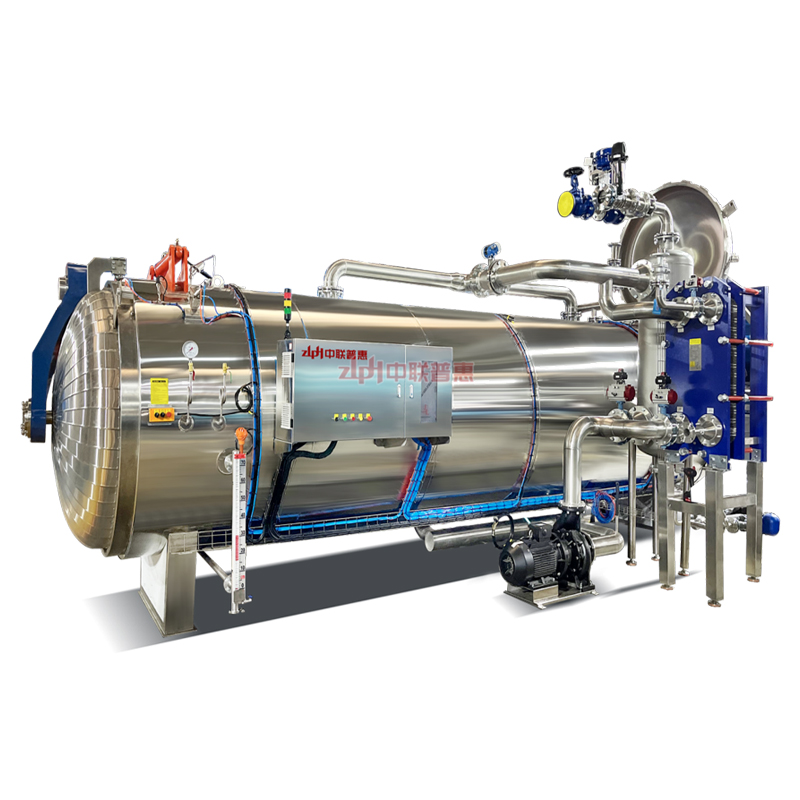
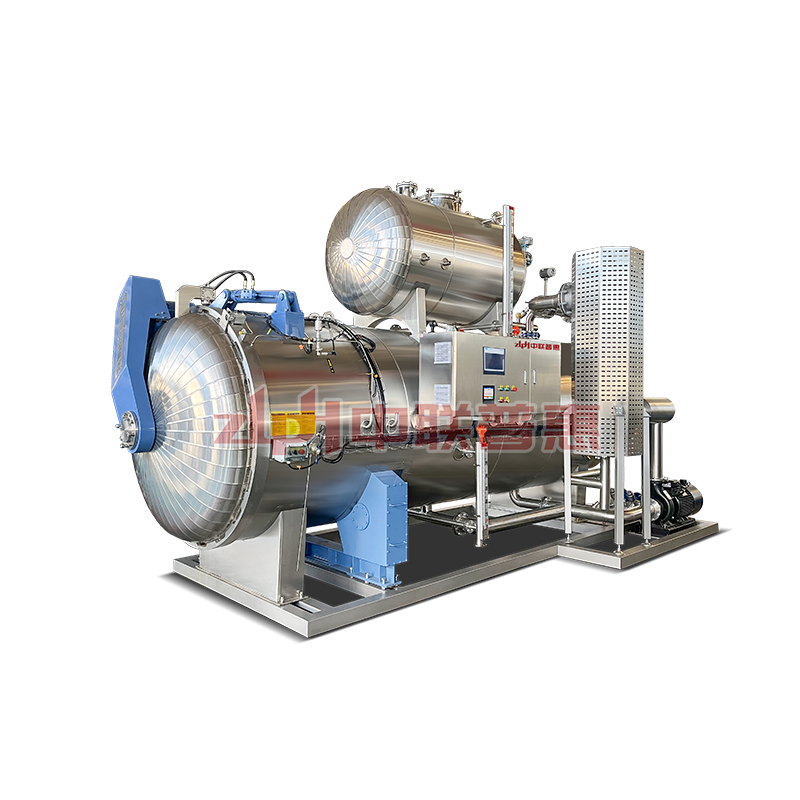
Long-Term Fix: Deploy water immersion retorts with integrated basket rotation or gentle rocking mechanisms. These systems submerge sealed containers fully in heated water, enabling 360° conductive heating without direct steam impingement.
Process Optimization: Use real-time F₀ monitoring via wireless data loggers placed in geometric center of worst-case containers. Adjust hold time based on actual lethality, not theoretical calculations.

4. Pitfall Avoidance Guide
Never assume uniformity based on retort chamber temperature alone—always validate with in-container probes. Avoid overloading trays beyond 80% capacity, which restricts water circulation. Ensure container orientation (e.g., upright vs. horizontal) aligns with product flow dynamics.
5. Validation Results
At a major European baby food plant, switching to ZLPH’s water immersion retort with rotating tray system reduced thermal variance from ±8°C to ±1.2°C across 1,000+ jars per batch. Microbial validation confirmed consistent F₀ > 4.0, with zero non-conformities in 18 months of audits.
How to Reduce Cycle Time Without Compromising Sterilization Efficacy?
1. Scenario & Pain Point
Food processors under pressure to increase throughput often shorten sterilization cycles, risking pathogen survival (e.g., Clostridium botulinum). Conversely, overly conservative cycles waste energy and reduce equipment utilization.
2. Root Cause Analysis
Inefficient heat transfer due to static loading, slow come-up times, and delayed cooling phases inflate total cycle duration. Manual tray handling further adds 15–20 minutes per batch.
3. Step-by-Step Solution
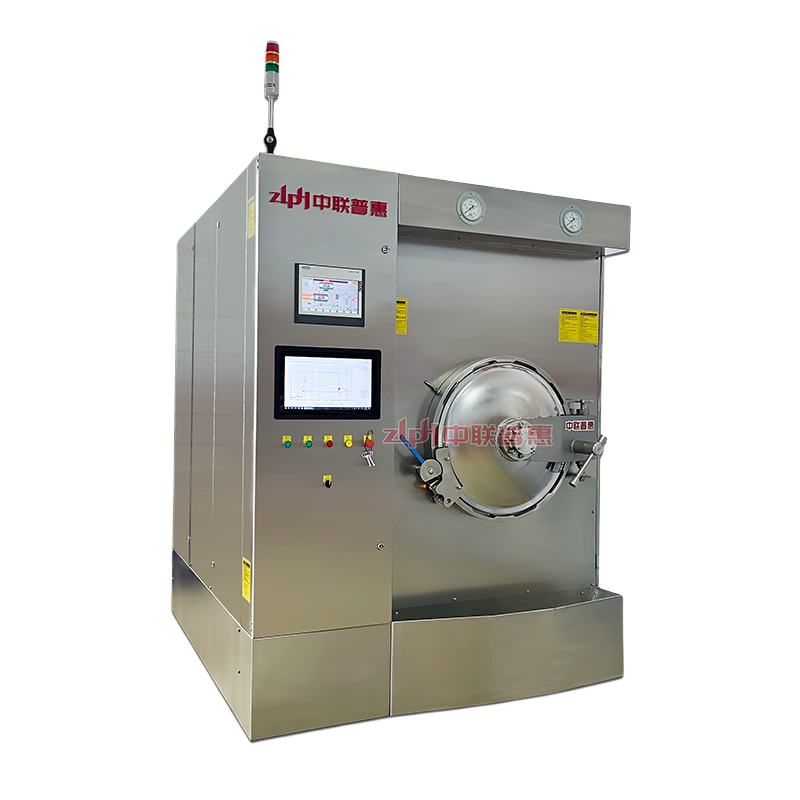
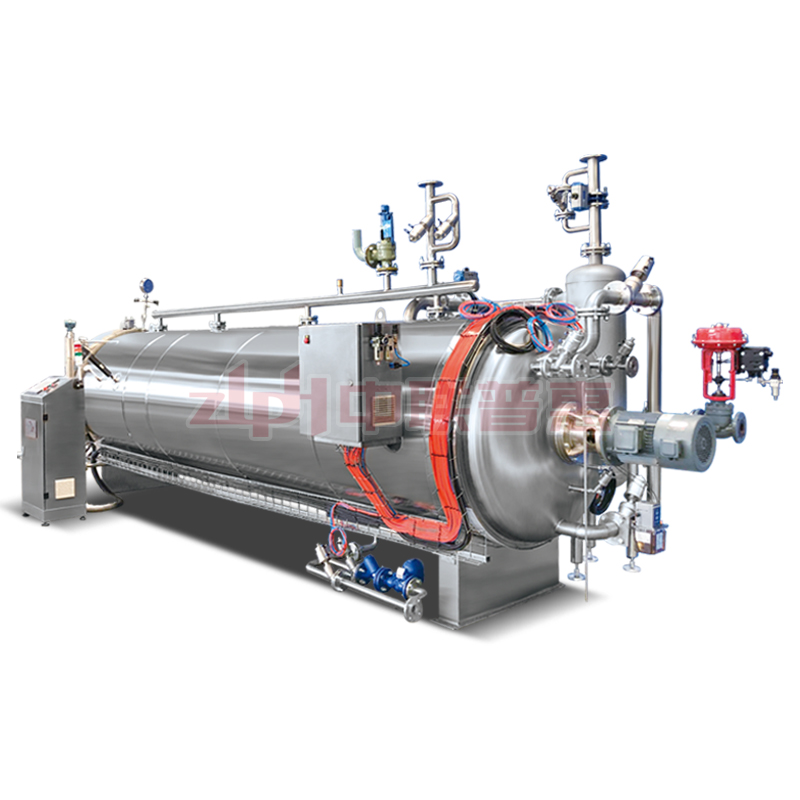
Implement automated tray loader/unloader systems to eliminate manual intervention. Pair with intelligent top-opening water spray retorts featuring rapid heating (via high-flow nozzles) and counter-pressure cooling. Real-time PID control maintains precise temperature-pressure profiles, cutting total cycle time by up to 30%.
4. Pitfall Avoidance Guide
Do not accelerate cooling beyond container tolerance—use controlled counter-pressure to prevent can deformation. Validate new cycles with thermal mapping before full deployment.
5. Validation Results
A Qingdao-based seafood exporter reduced average cycle time from 75 to 52 minutes using ZLPH’s integrated system, boosting daily output by 40% while maintaining F₀ > 3.0 across all batches.
Industry Best Practices for Water Immersion Retort Operations
Based on 12+ years of global deployments, we recommend this 5-step framework:
1. Define Worst-Case Product & Container
Identify the slowest-heating combination (e.g., largest jar, densest fill) for validation.
2. Eliminate Manual Handling
Automate loading/unloading to reduce human error and cycle variability.
3. Monitor In-Container, Not Just Chamber
Use wireless data loggers for true F₀ calculation.
4. Maintain Equipment Rigorously
Clean spray nozzles weekly; calibrate sensors monthly.
5. Partner with Proven Suppliers
Choose vendors with ISO 9001-certified manufacturing and global service networks.
ZLPH’s 50-acre facility houses 15,000㎡ of precision workshops with CNC-machined components ensuring retort chamber tolerances within ±0.1mm—critical for seal integrity and pressure stability.
Frequently Asked Questions (FAQ)
Q: Can water immersion retorts handle glass jars and flexible pouches?
A: Yes—ZLPH’s systems support all container types via customizable tray designs and gentle handling protocols to prevent breakage or delamination.
Q: What certifications do your retorts carry for EU and US markets?
A: Full CE, PED 2014/68/EU, and ASME BPVC Section VIII compliance, with documentation available for FDA submissions.
Q: How does your system prevent overcooking of delicate foods like fish or fruits?
A: Precise water immersion with ±0.5°C temperature control and programmable ramp/cool rates preserve texture and color.
Q: Is remote monitoring possible?
A: Yes—our IoT-enabled control system allows real-time cycle tracking, alarm notifications, and audit trail export via cloud dashboard.
About Our Expertise & Support
ZLPH MACHINERY TECHNOLOGY CO., LTD. is a globally recognized provider of intelligent sterilization systems with 12+ years of R&D experience. Our 50-acre manufacturing base features 15,000㎡ of advanced workshops equipped with precision machining centers ensuring component accuracy and system reliability. We hold multiple international certifications and have deployed over 5,000 units across 60+ countries, serving leading brands in meat, seafood, dairy, and prepared meals. Our solutions were spotlighted at AGROPRODASH 2023 in Moscow and the Qingdao International Food Tech Expo for their innovation in efficiency and safety.
We offer customized support including:
• On-site thermal process validation
• Tray automation integration
• Free sample testing with your product
• 24/7 technical response
Contact Us
Company: ZLPH MACHINERY TECHNOLOGY CO., LTD.
Website: https://www.zlphretort.com/
Email: sales@zlphretort.com
Phone / WhatsApp: +86 15666798389 / +86 13361554016
